
A Swedish study into factors which affect life expectancy followed 3.4 million people over 12 years. It attempted to identify which factors shortened and lengthened peoples lives. One of their conclusions was that owning a dog increased life expectancy – yes living with a dog decreases your chances of dying from every cause. This was particularly true for people who lived alone. For these people having a dog reduced their risk of death by a whopping 33%!!!
There are now a wealth of different studies into heart disease, depression, blood pressure, weight, allergies and age-related mental decline that all show owning a dog is beneficial. For example; if you’re over 65, owning a dog means that (on average) you will go to see a doctor 30% fewer times than those people who don’t own one.
The benefits to dog ownership are broad – they seem to improve many areas of our physical and psychological health all which can improve both the quality and quantity of our lives.
More Exercise Healthier Cardiovascular system
Many studies have shown that dog owners (on average) have lower blood pressure, heart rates, reduced levels of bad cholesterol, less heart disease and fewer heart attacks than those who don’t. One of the major reasons for this is that owning a dog makes you exercise.
The NHS, CDC and the Mayo Clinic all recommend the same minimum amount of weekly exercise. Brisk walking for 150 minutes each week (which is only 30 minutes a day 5 days a week) plus a couple of weight sessions.
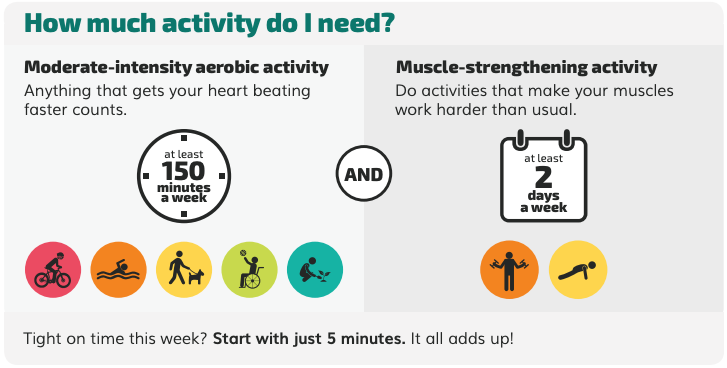
Owning a dog will take care of the brisk walking element. Most dog owners would very easily do far more than this recommendation for brisk walking each week. Long periods of inactivity are terrible for our cardiovascular health so the need to break your day several times with a dog walk, no matter how short, is hugely beneficial.
Dog owners find it easier to make themselves exercise with their furry friend – they get the motivation from the fact their dogs need the walk. It seems it is harder to motivate yourself to exercise for reasons of improving your own health than your dogs!
Owning a dog is also associated with lower levels of stress. Stress is a cause of cardiovascular disease and increases the risk of a heart attack so less stress means a healthier heart.
Lower Weight
Lots of research has shown that owning a dog makes you slimmer. This is mostly to do with the increase in exercise that dog owners experience. However less time near the biscuit barrel and less mood-related binge eating all also factors.
Less Allergies
Children that grow up around animals including dogs have fewer allergies and lower rates of asthma. There are two theories about why this is the case.

Exposure to different microbes and germs is actually a good thing for kids and trains their immune systems so that they work better against pathogens but don’t respond to what they shouldn’t. The result is fewer allergies.
Being around animals also changes our microbiome – the microscopic animals that live in our intestines. Exposure to animals and dirt actually give us a richer and healthier microbiome. The microbiome has been shown to be an important part of our immune systems so if this is healthier we will work better.
In both these cases, a complex exposure to lots of different animals, environments and dirt is better. Simply having a dog in the home with its set of bacteria and the dirt on its body will reduce your children’s chance of developing asthma by 13%. But expose them to lots of different types of animals and dirt on a farm and their risk of developing asthma drops by an incredible 52%.
So the underlying message is – stop wiping everything with antibacterial spray and get your kid outside playing in the garden with your dog. At weekends take them to your nearest farm park or petting zoo.
Better Mental Health
Lots of research shows that having a dog increases your mental happiness, reduces your risk of developing conditions like depression and reduces your chance of age-related mental decline.
Even a few minutes with a dog (OK or cat) increase levels of serotonin and dopamine and lower anxiety and blood pressure. For people who are susceptible to depression and anxiety disorders, these regular releases of calming and pleasure related neurotransmitters can stave off serious mental health issues and reduce reliance on medication.

Dogs help prevent loneliness and isolation. Dog owners have been found to be more sociable probably because 80% of dog owners are used to chatting to other dog owners on their walks. Having an obvious common interest also provides an opening for a conversation. Loneliness and isolation are a major cause of age related mental decline so having a dog help prevent this.
Love
Oxytocin is a hormone which is involved in feelings of trust, attachment, sexual attraction, mother-baby bonding and love. All of which is good. If you love your dogs, spending time with them causes you to release this hormone. And guess what they feel the same way – releasing this hormone when you smile at them or are nice to them or give them toys. We don’t understand the science of why oxytocin is good for us however its positive effect on our mood, feeling of contentment and being needed are all likely to be factors.


