
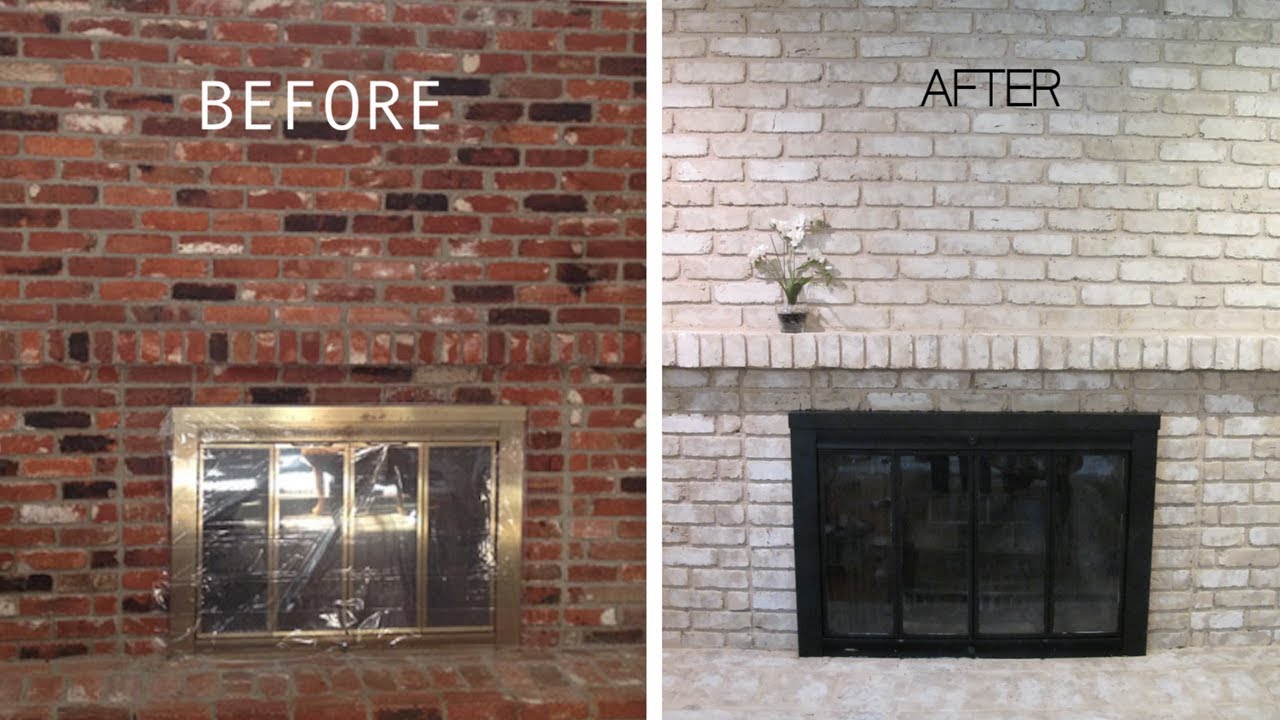
With most of us spending lots of time at home at the moment as a result of the pandemic, we are having to contend with the twin evils of boredom and the close inspection of our homes. Spending so much time at home means we really notice all those tired-looking walls, areas that just don’t function well or we just realise that we don’t really like our decor anymore. Luckily this means when boredom strikes we have something productive to do – home improvement!
You can make some pretty drastic improvements without spending a fortune. You just need to know where to start. In this article, we cover how to transform your walls quickly and easily without the need for lots of DIY skills.
Paint Refresh
Dirt, scuff marks, badly filled holes or cracks and ‘so yesterday’ colour choices can make walls or entire rooms look shabby and uninspiring. Luckily painting is one of the lowest skilled DIY jobs there is. Simply applying a fresh coat of paint will cover up all those marks and cracks and make your room brighter, cleaner and a great deal more pleasant. You can change the colour entirely if you are bored with the current colour scheme. Just make sure that you choose the right paint for the material you are covering. There are special paints for brick/masonry, wood and metal. Bog standard emulsion is only for plaster.
Wall Colours
It is worth bearing in mind a few colour rules. If your room is small and or dark then choose light colours. Using the same colour on the walls and ceiling will also make the room seem larger.
If you like a bold colour then painting the whole room in it could be overwhelming and too dark. In this case, choose a feature wall for your bold colour and a complementary neutral shade for the rest.
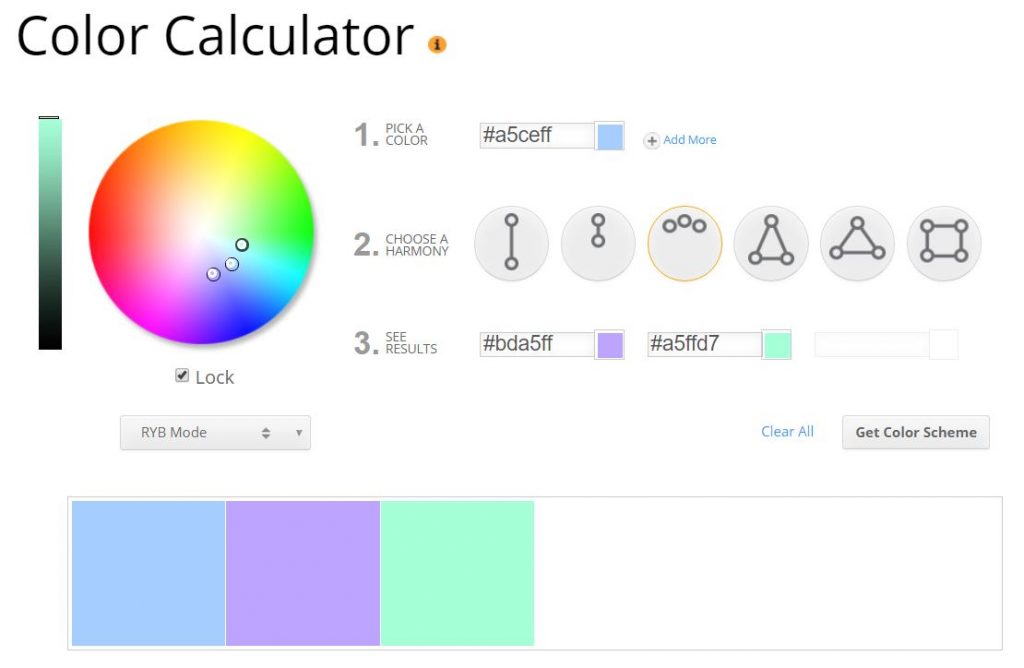
If you want help identifying which colours go together to create an attractive colour scheme then there are plenty of simple online tools you can use like this one.
Wall Art
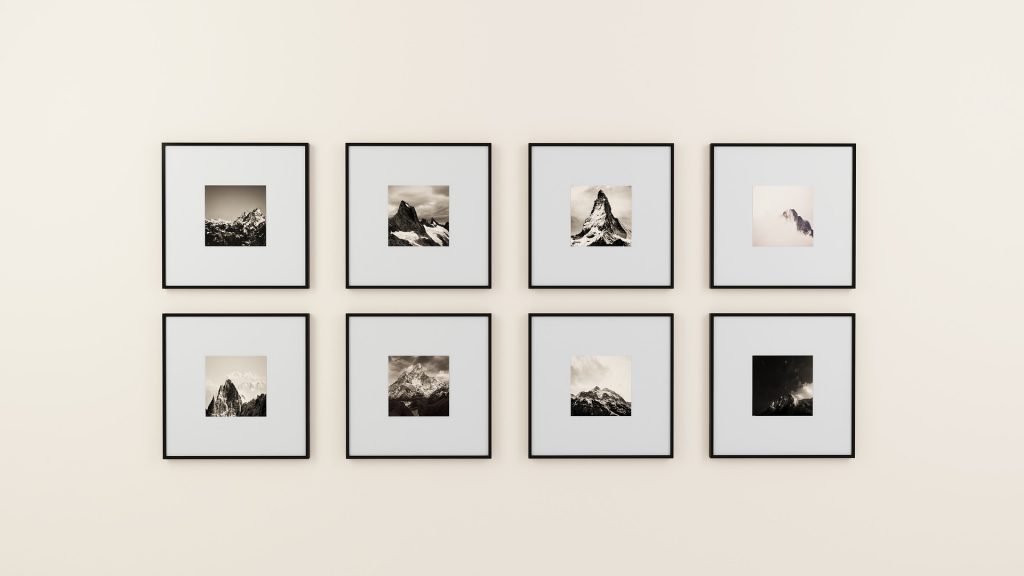
A good way to choose a colour scheme is to identify a picture, place, or environment you love and use those colours. You can use the photo or artwork as the centrepiece above your fireplace or on your feature wall. This will really tie the design scheme together. If you have a photo you want to use it is easy to get it digitally printed onto a high-quality poster which you can frame or even get it printed directly on canvas, you can try pixa prints UK for example.
Even if you don’t want to base your colour scheme on an image you can still transform a wall by getting some cheap photo prints. You can frame cut-outs from magazines, frame birthday cards, book covers or use decorative stickers. Choose a few simple bold prints and you can make even a white wall look fantastic.
Painting Tips
So painting is a low skilled job but you can still make a mess of it! The most important steps are surface preparation and room protection. Lots of people skip these steps because they appear to be time-consuming and fiddly. However, skip them at your peril.
Preparation – You need a clean firm surface or the paint will not stick for long. Remove any flaky paint and fill holes and cracks. Once the filler is dry – sand it lightly. Vacuum the dust off and wash the wall with a de-greaser like washing up liquid diluted in warm water. When the wall is dry you can paint.
Protection – remove as much as you can from the walls and surrounding area. Cover carpets and furniture with old sheets or buy decorators plastic. If you need a neat line consider using 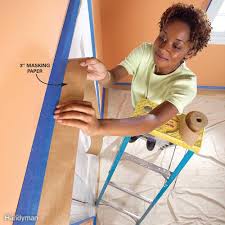 decorators tape to protect skirting boards, floors, light switches etc. It might seem like it takes a long time to apply but it takes a lot less time than trying to wipe off wet or dry paint! When you use a roller they always spread tiny flecks of paint a fair distance from where you are working so make sure you have protected the surrounding area for several metres from the roller.
When Paint Won’t Cut It
Your walls may be very damaged or uneven in which case they will look terrible even after you have painted. In this case, you have limited options and they are more expensive. You can get the walls re-plastered (not a DIY job unless you are practised). You could do some limited filling of the largest imperfections and then use a thick embossed wallpaper which will hide surface imperfections. Another option is to use interior coloured cladding to completely cover the offending wall.
Cladding is a good option as it is relatively easy to fit. It also has acoustic and aesthetic properties that paint can’t beat. So if you have a cold or echoey room cladding some of the space makes good sense. You can choose a modern light colour, go for a rustic log cabin feel or recreate a luxurious library with lots of dark wood. You can also mix colours and create a wonderful art wall in wood – check out the fabulous picture below for some inspiration!


